
GX-4800
New Xiangyun
新祥云
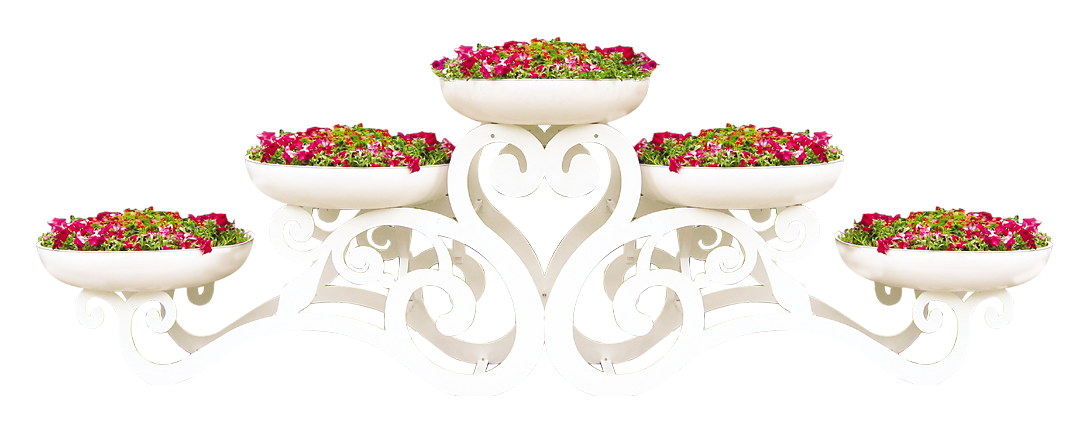
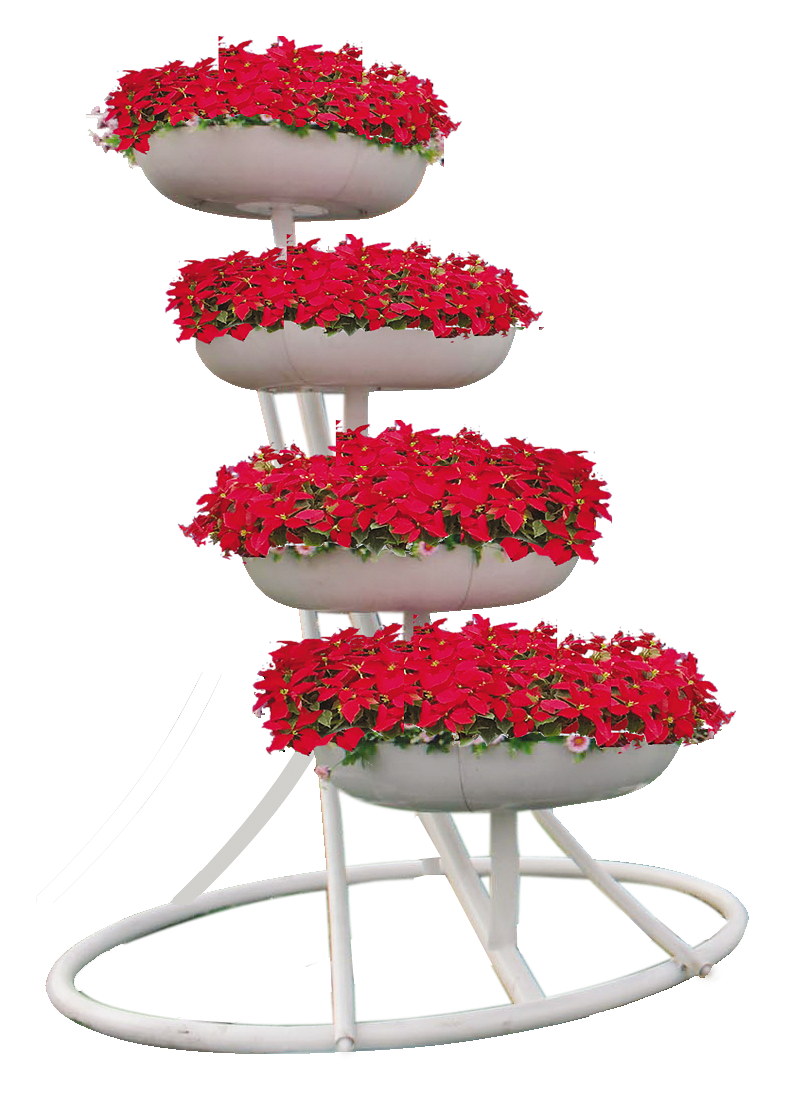
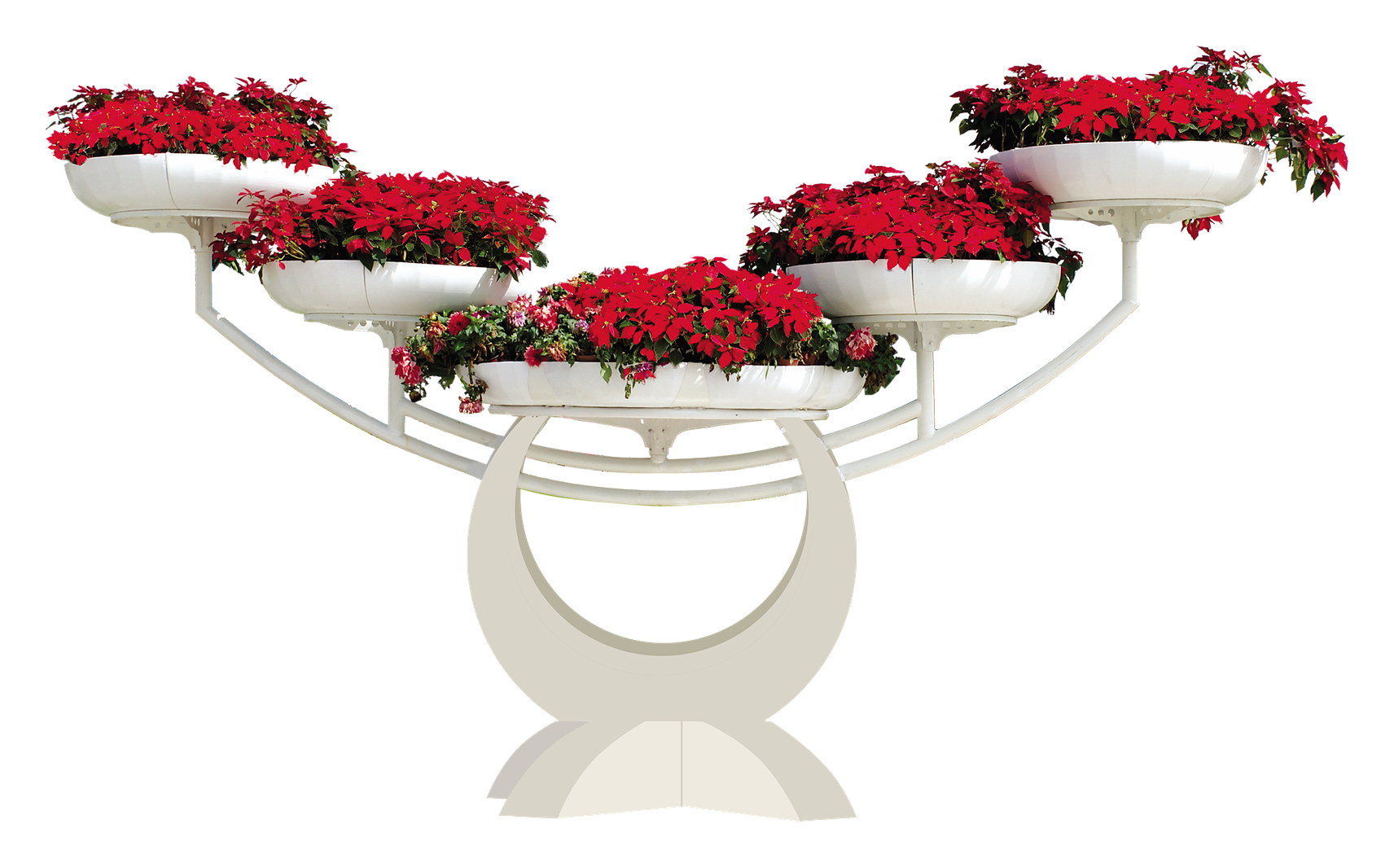
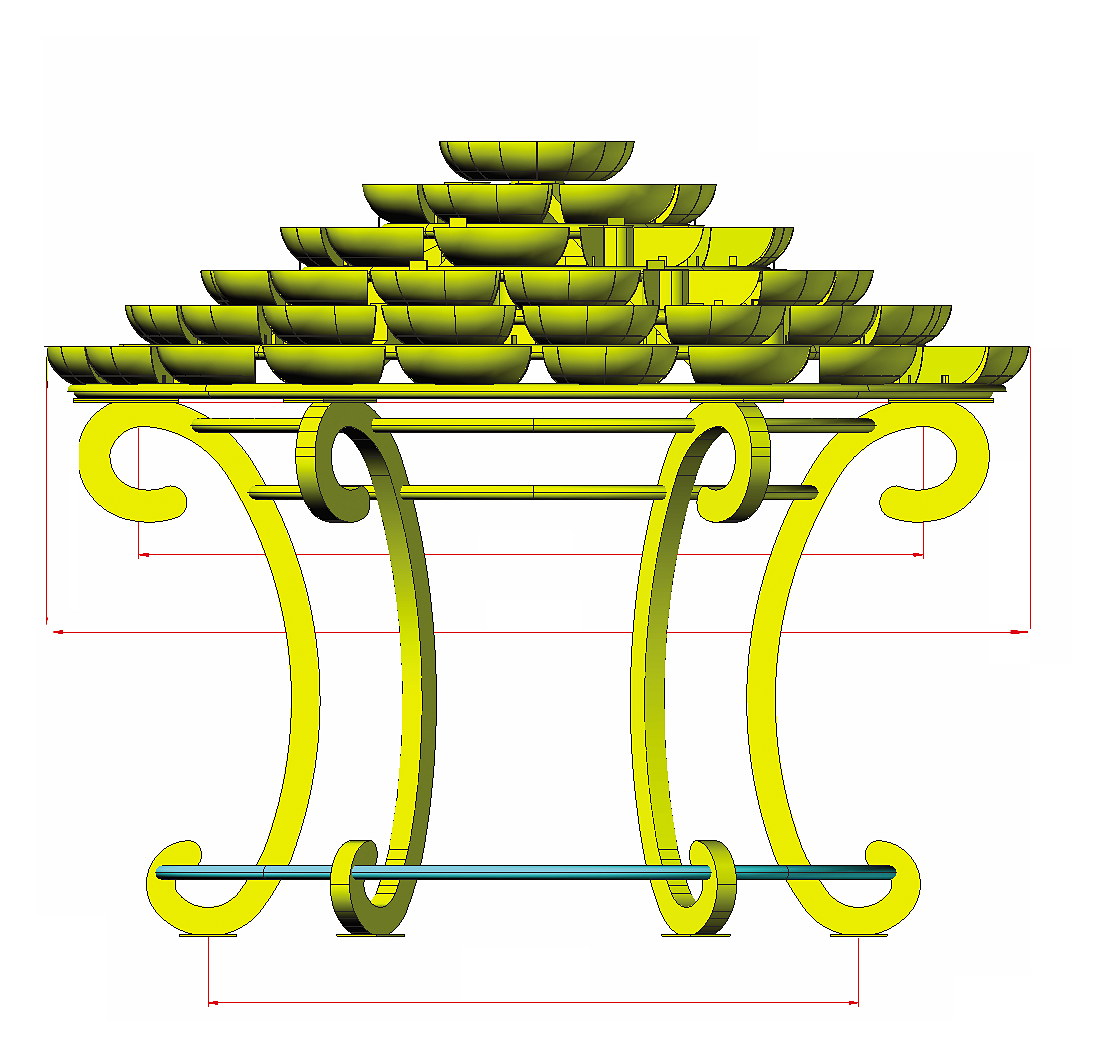
H 1.40 m × L 4.80 m
Six 1.0 m bowls
Glass-fibre composite planters & streetscape structures
Nanjing · Anhui · China
A two-layer body stores water under the root zone and feeds it back up. On a street or a light pole, that takes the watering round from every two or three days to roughly sixty — and takes the maintenance line out of the budget argument.
Flat-packed · 4 panels per unit
8–15 year service life · −30 °C to +50 °C
01 — The range
Everything below is moulded in our own tooling in Anhui. That is why a curved six-bowl composition costs what a standard rectangular box costs — the shapes are ours, not bought in.
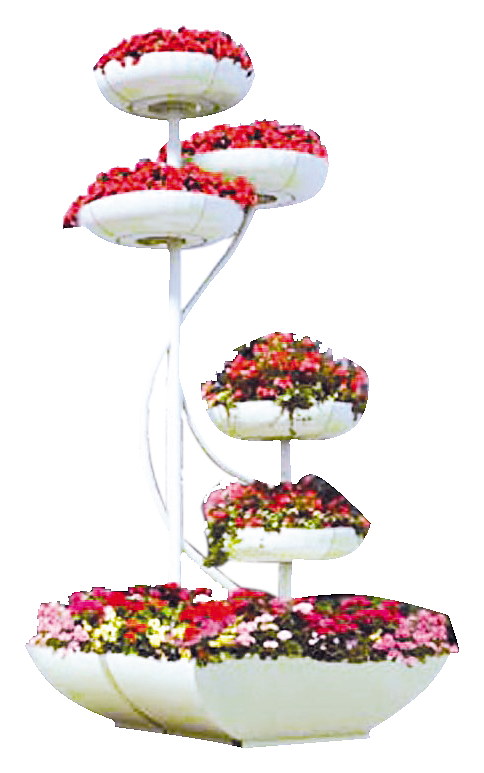
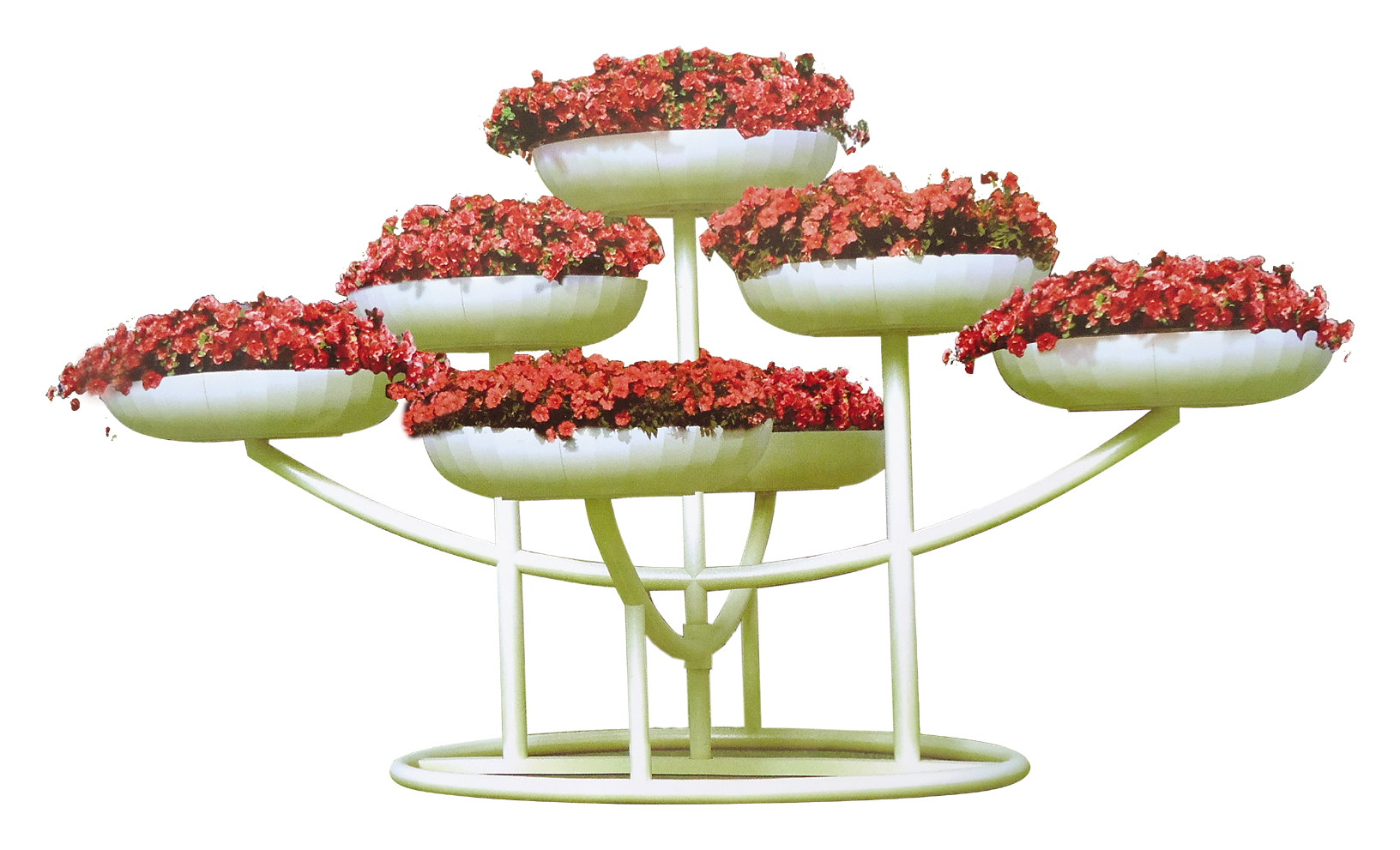
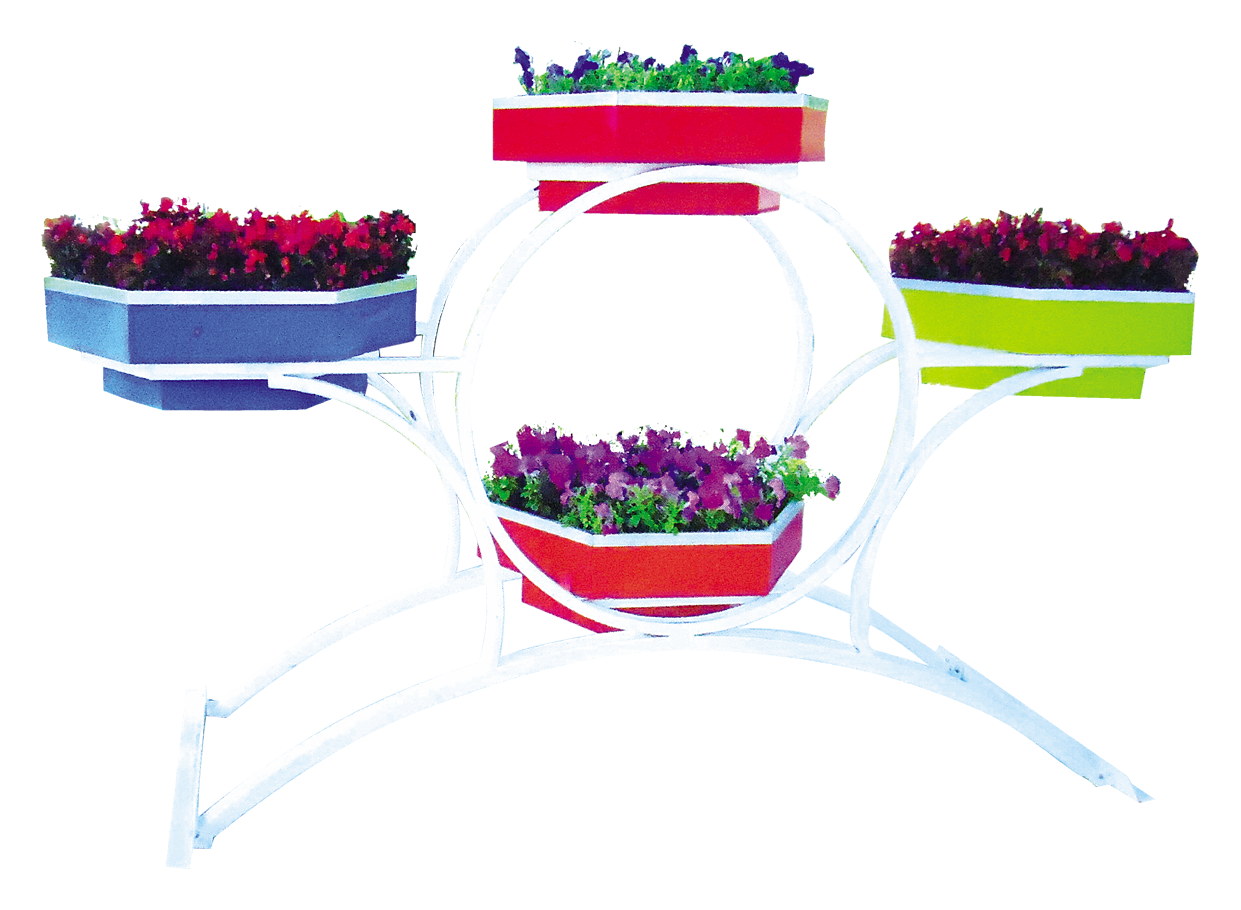
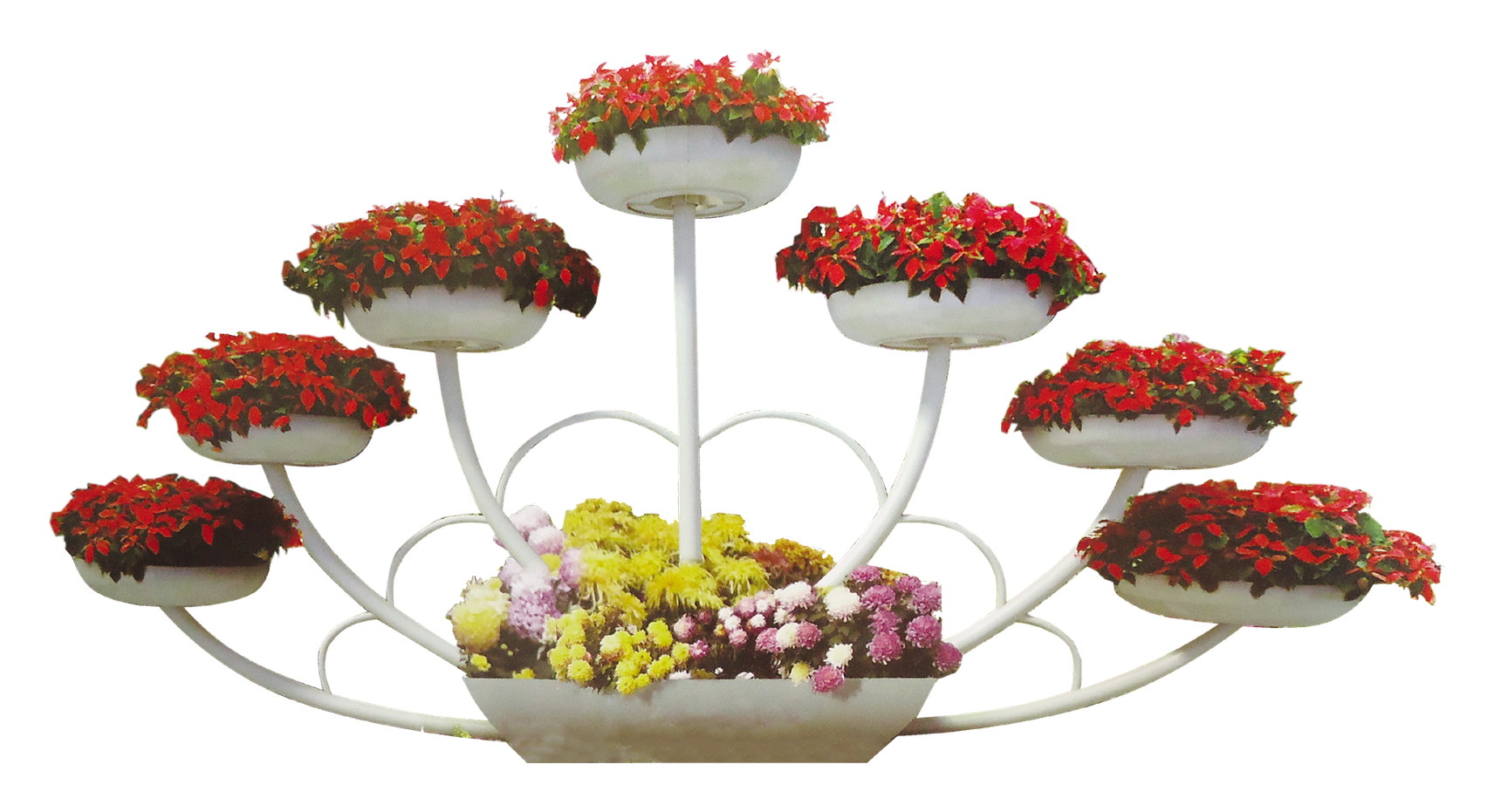
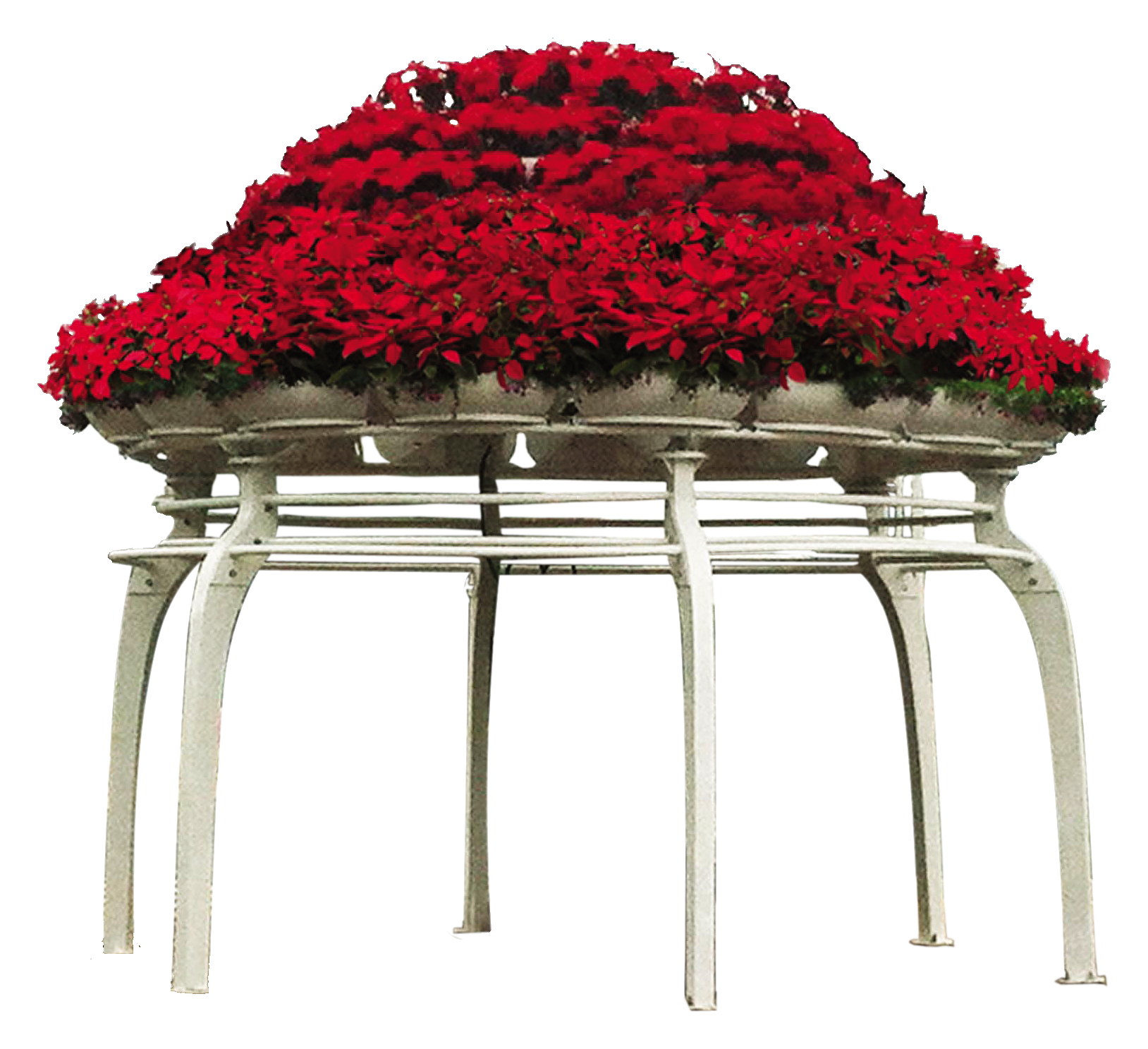
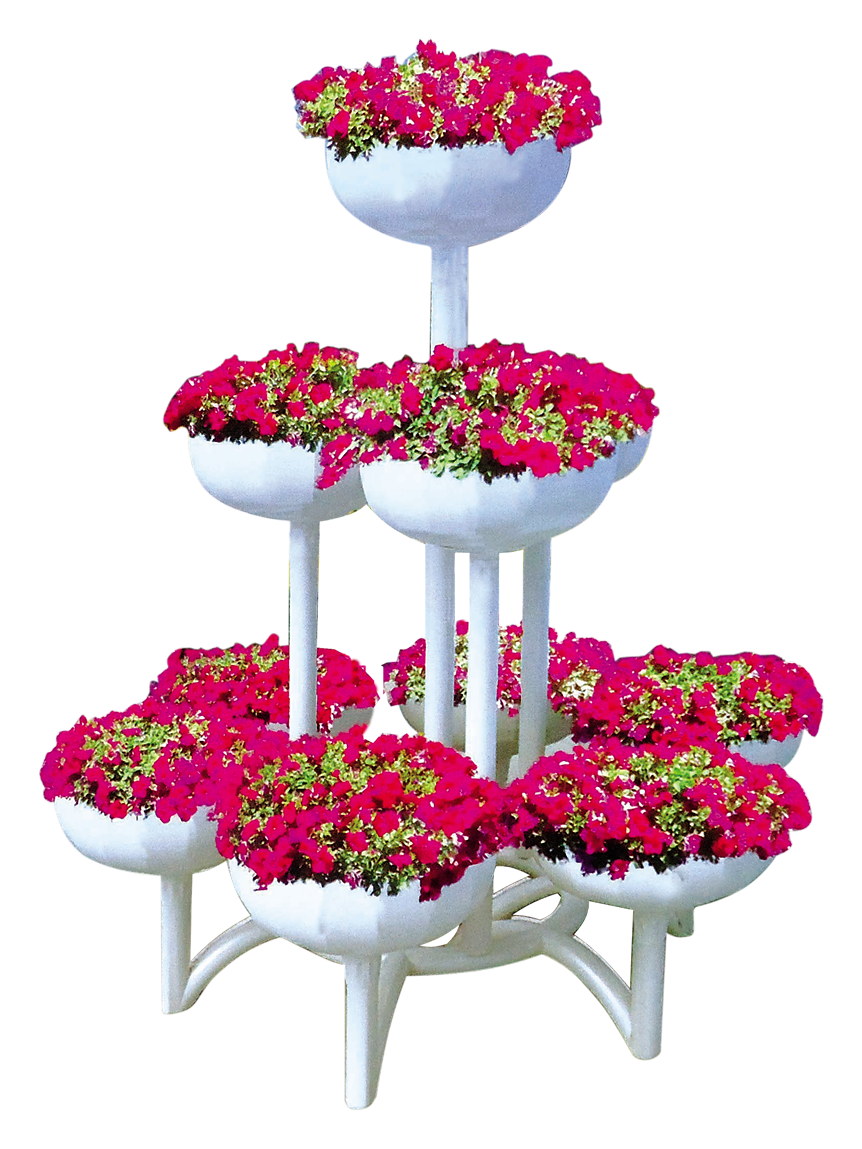
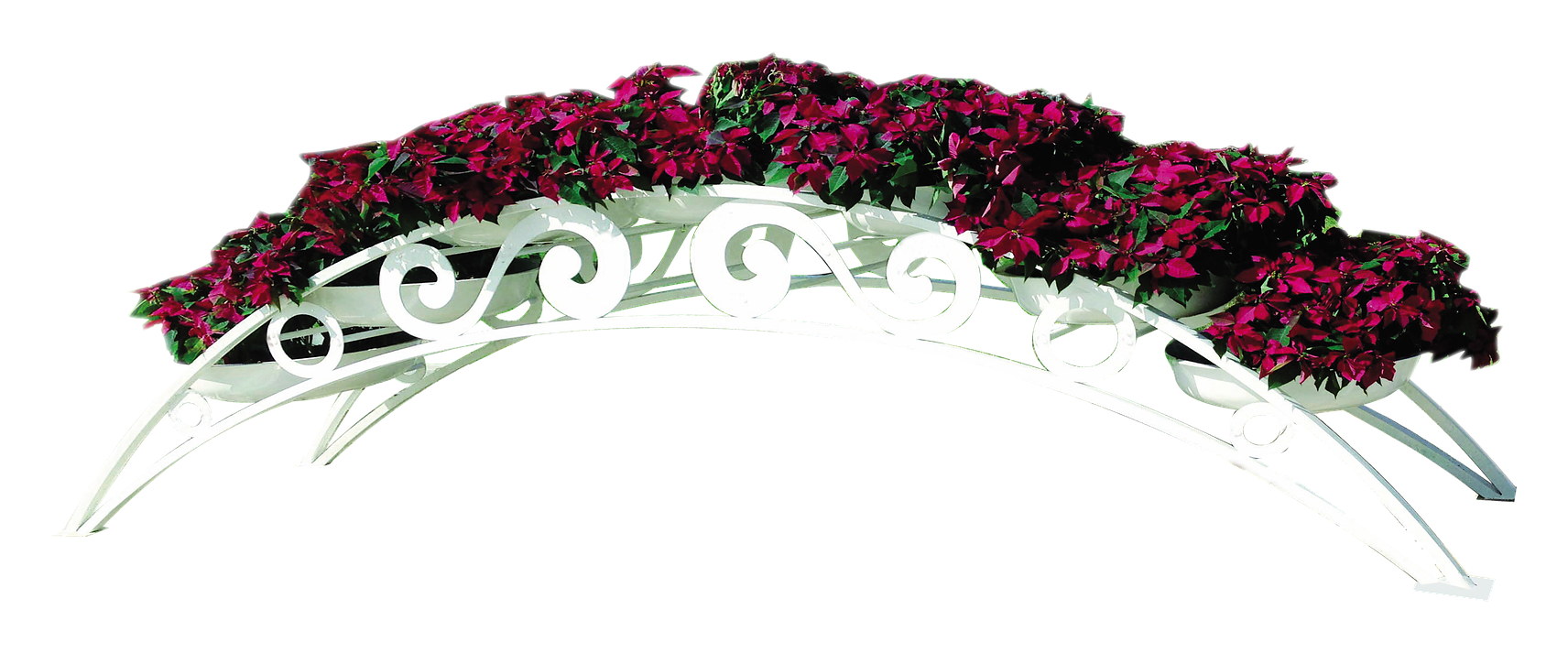
Tiered and multi-bowl compositions from 1.6 m to 4.8 m long. Built for plaza centres, roundabouts, station forecourts and avenue medians where the planter is the landmark.
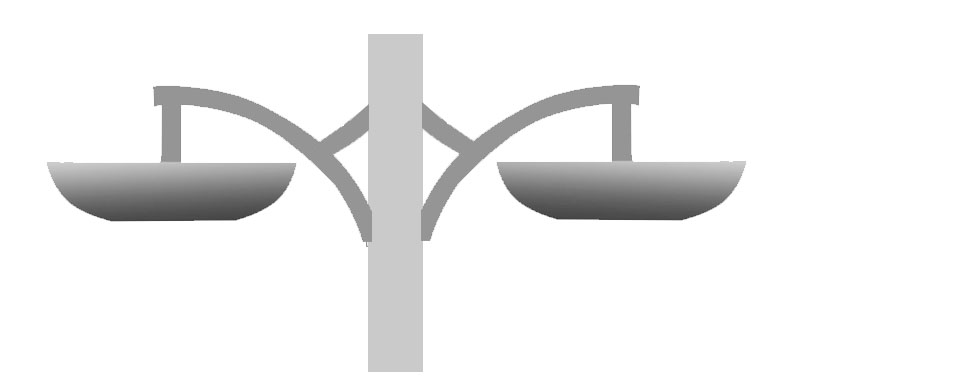
Stainless or powder-coated brackets that clamp to standard lamp columns, carrying one or two 500–1000 mm bowls. The cheapest way to add greenery along a street — no ground works, no footings.
FRP, PVC and aluminium, including printed and wood-grain finishes. Standard lengths 600–2000 mm, plus radiused and corner units for continuous runs.
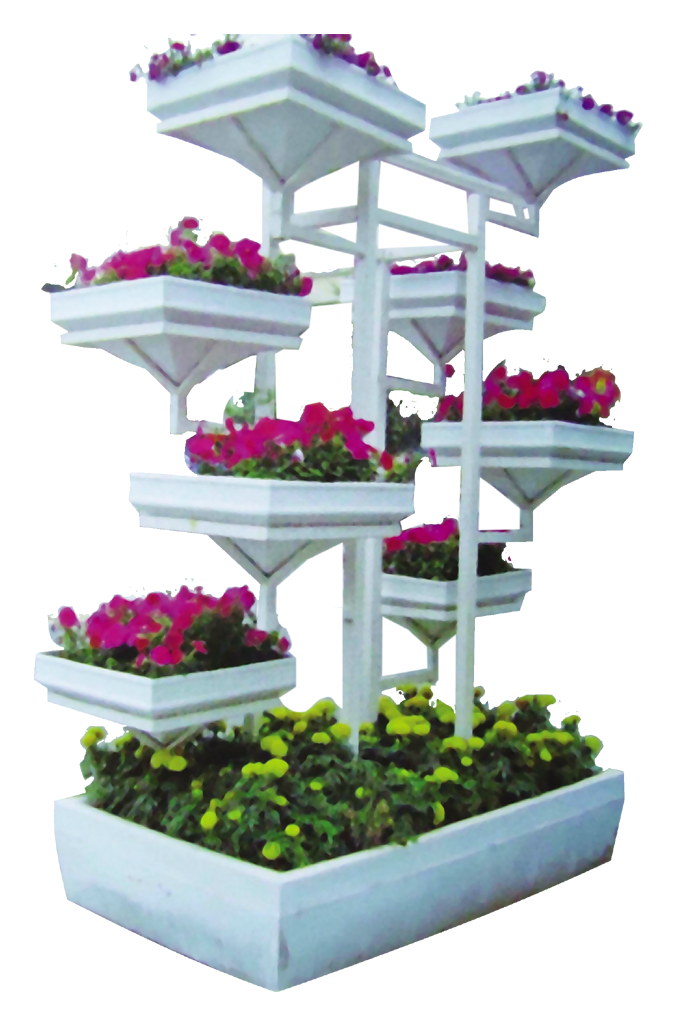
Greening columns and 16-pocket wall panels that clip together into free-standing towers or fixed screens. Irrigation runs inside the module.
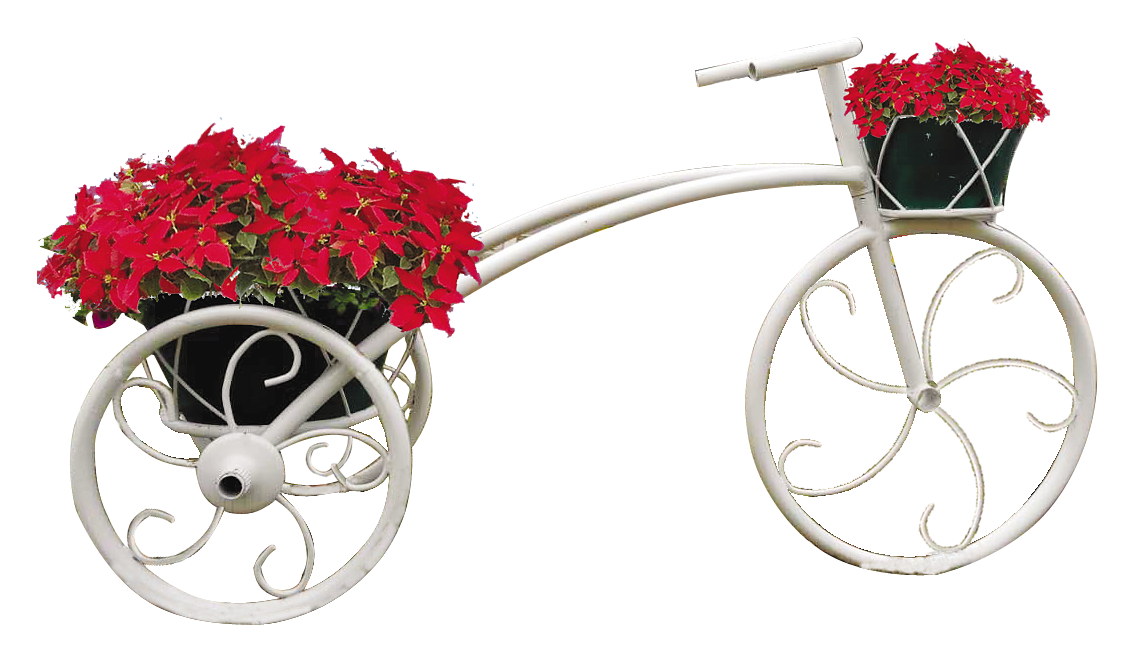
Deer, cranes, butterflies, flower carts and lanterns — moulded in the same composite as the planters, so they weather at the same rate and can be specified in the same finish.
02 — Engineering
None of these are visible from the street. All of them are why the planter is still there in year nine.
The body is split into a planting layer and a reservoir. Water sits in the lower chamber and is drawn back up by capillary wick — no pump, no timer, no power at the column.
Glass-fibre reinforced polymer, the same family of material used for light aircraft. It does not absorb water, so it does not spall when a freeze follows a thaw.
Every bowl above 600 mm ships as four flat sections plus a base. A 4.8 m planter becomes a stack of panels — which is the difference between a 40 ft container and two.
A quarter section stood on flat ground takes 160 kg on its edge without deformation. That is what allows a cantilevered bowl to be sat on, leaned on, and hit by a street sweeper.
03 — Products
Model numbers, base dimensions and the Chinese name each shape is known by on our drawings — so a specification can be matched to a mould without a phone call.
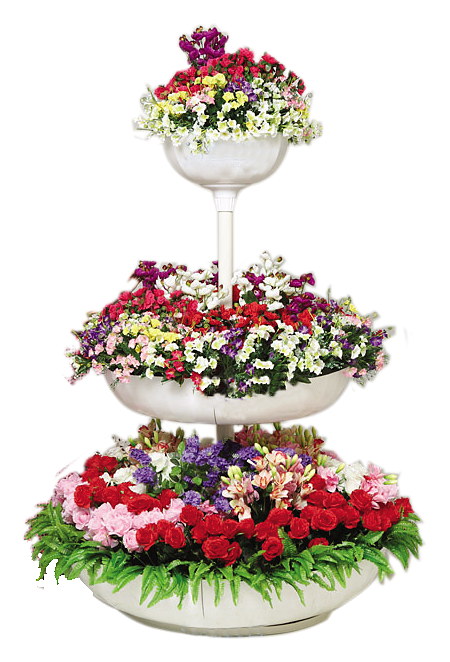
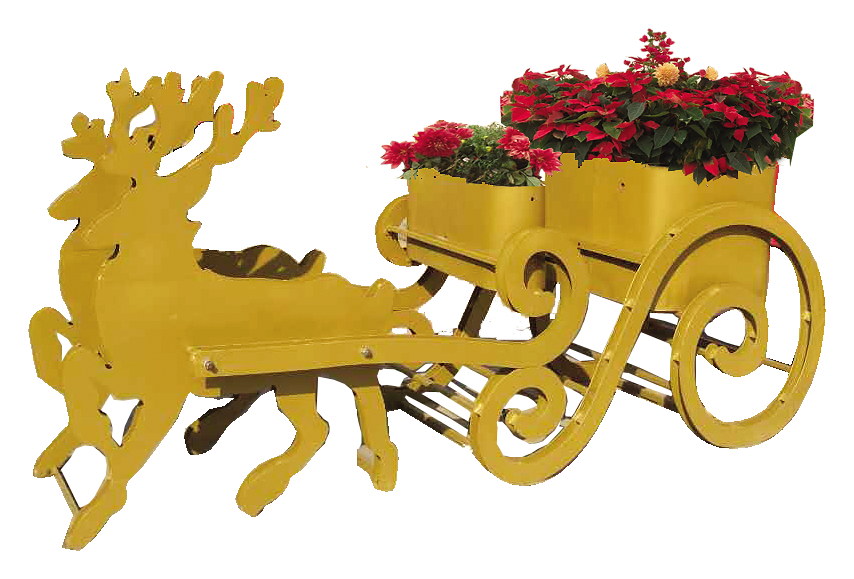
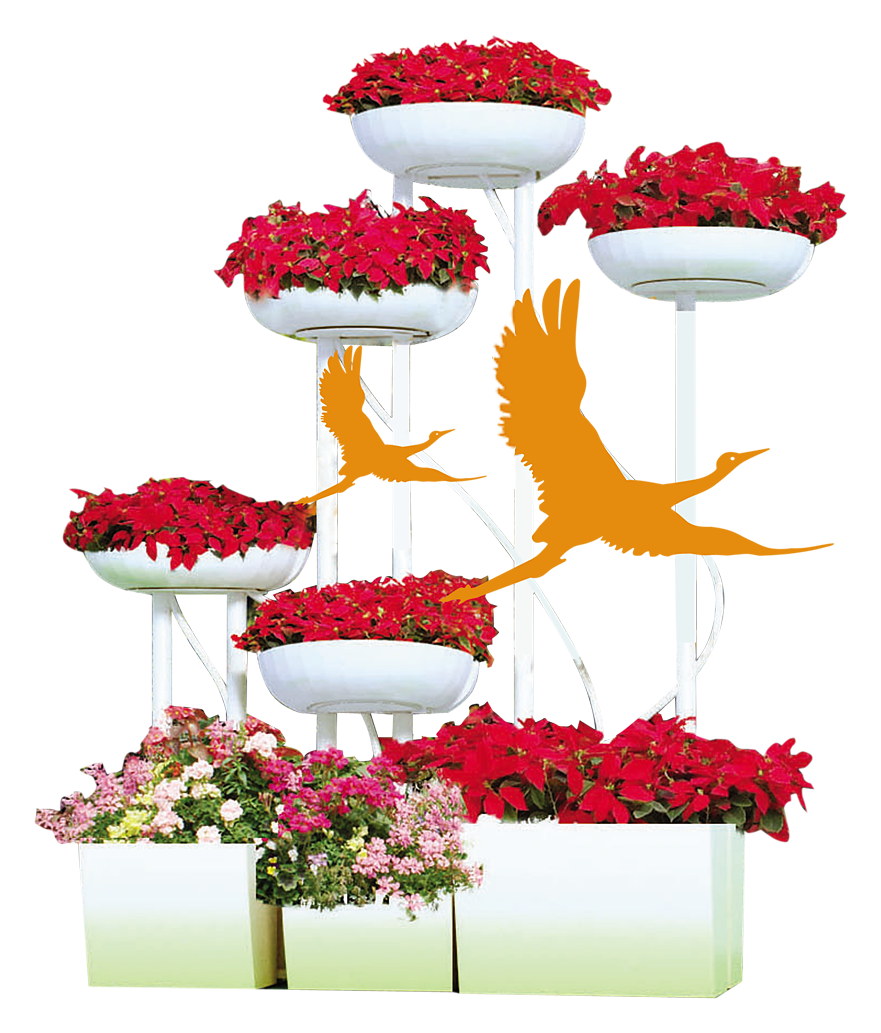
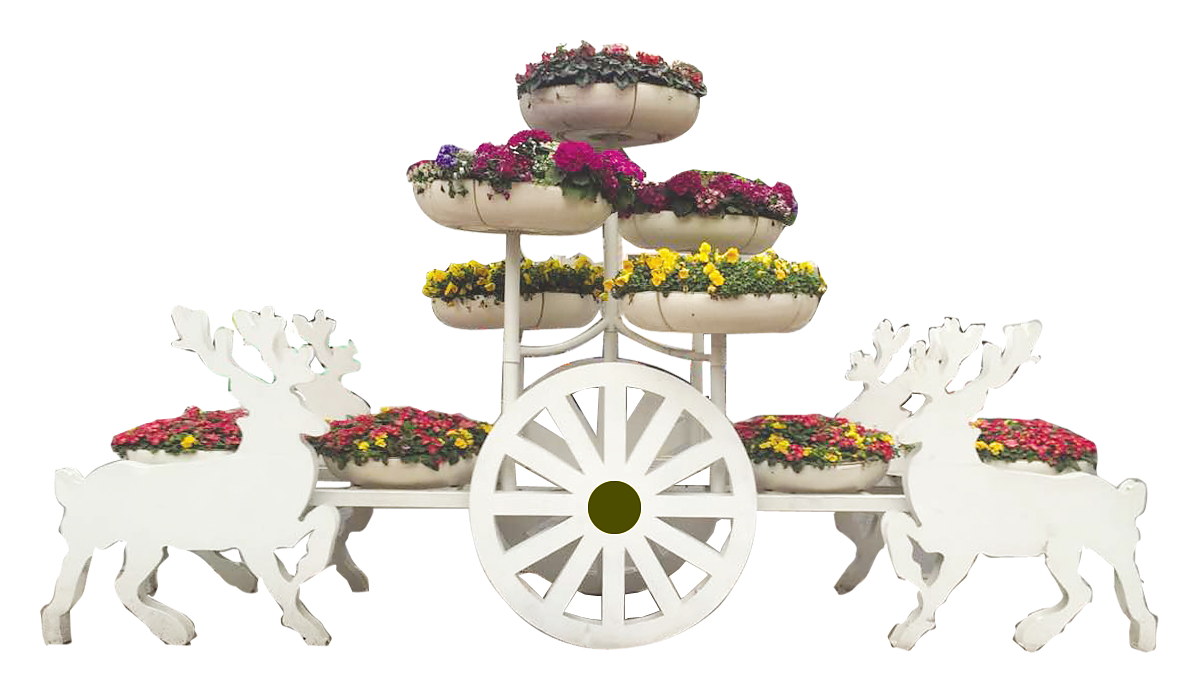
Family 03
All dimensions in mm · printed, wood-grain and RAL finishes
Family 04 & 05
Lanterns supplied to destination voltage and plug standard
04 — Reference installations
Municipal and transport projects in China where the same moulds, the same wall thickness and the same reservoir have been in service through freeze, monsoon and coastal salt.
05 — Factory
Three companies, one supply chain: design and engineering in Nanjing, moulding and metalwork in Quanjiao, lighting assembly alongside it. Nothing in the catalogue is sub-contracted to a shape we cannot control.
The proprietary die-casting tooling for our FRP vertical sections is the reason we can produce a curved six-bowl frame at a price a rectangular box competes with — and the reason a competitor cannot simply copy the profile.
06 — Enquiries
If you have a plan, send it. If you only have a location and a budget, send that — we will come back with two or three moulds that fit and a loading plan for the container.